
Helping women make decisions about elective egg freezing
University of New South Wales, Sydney (UNSW)
Services provided
Visual identity
Content design
Rapid prototyping
Qualitative research
User experience (UX) design
User interface (UI) design
Background
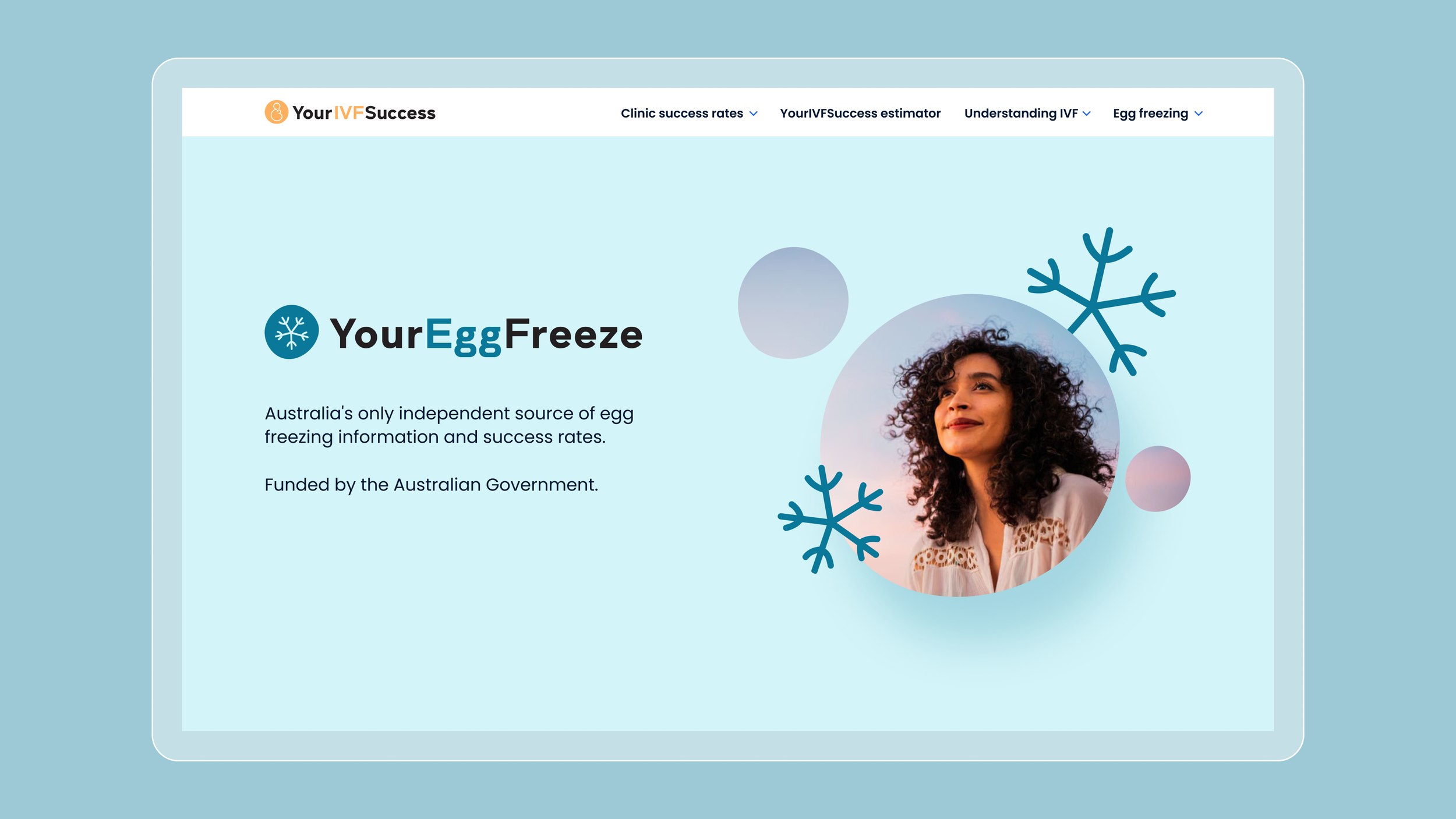
Funded by the Australian Department of Health, UNSW wanted to develop a digital service for women considering elective egg freezing. They had valuable research and un-bias data, and needed a clear, evidence-based way to communicate it, and a user-friendly tool to help people understand what egg freezing can and can not do.
The challenge
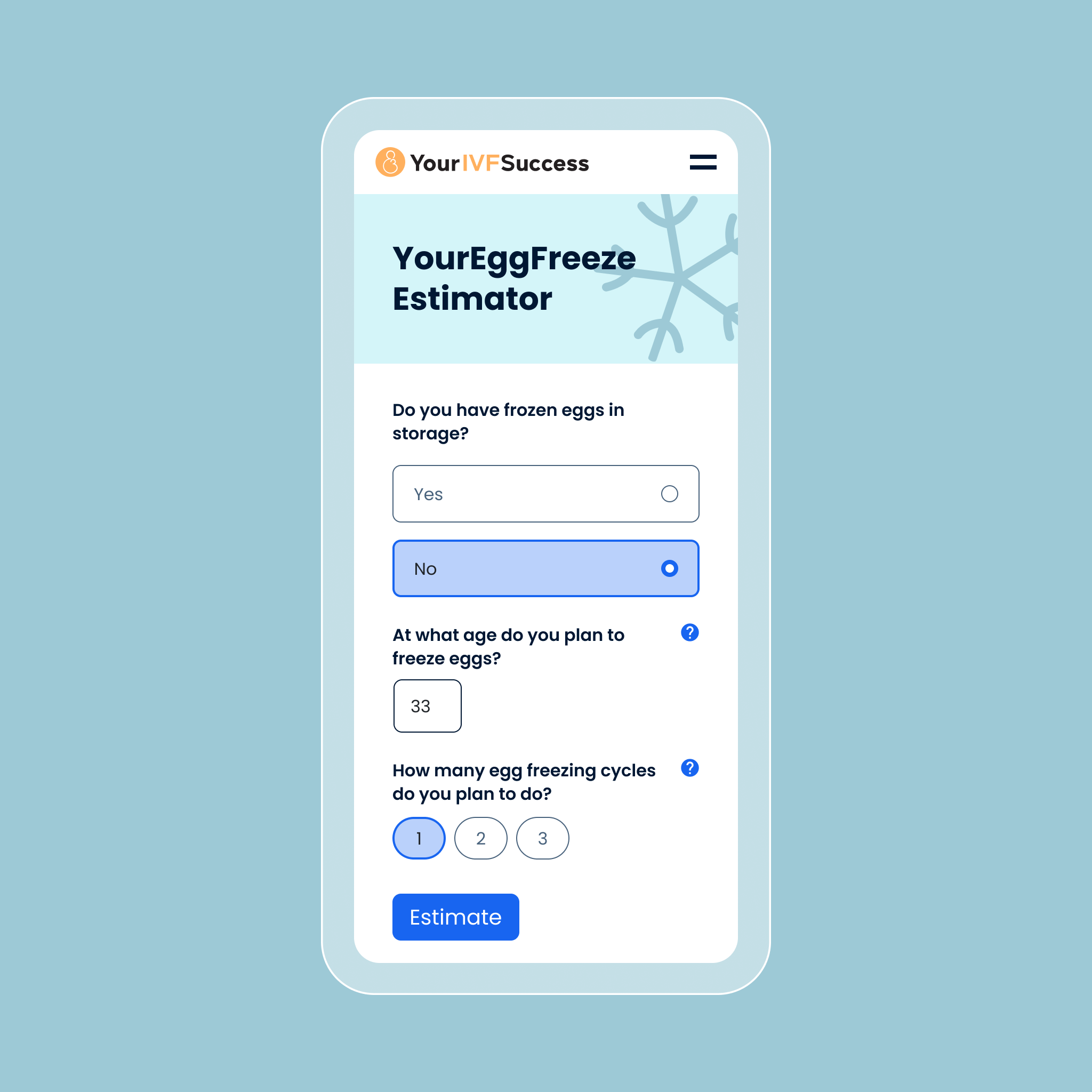
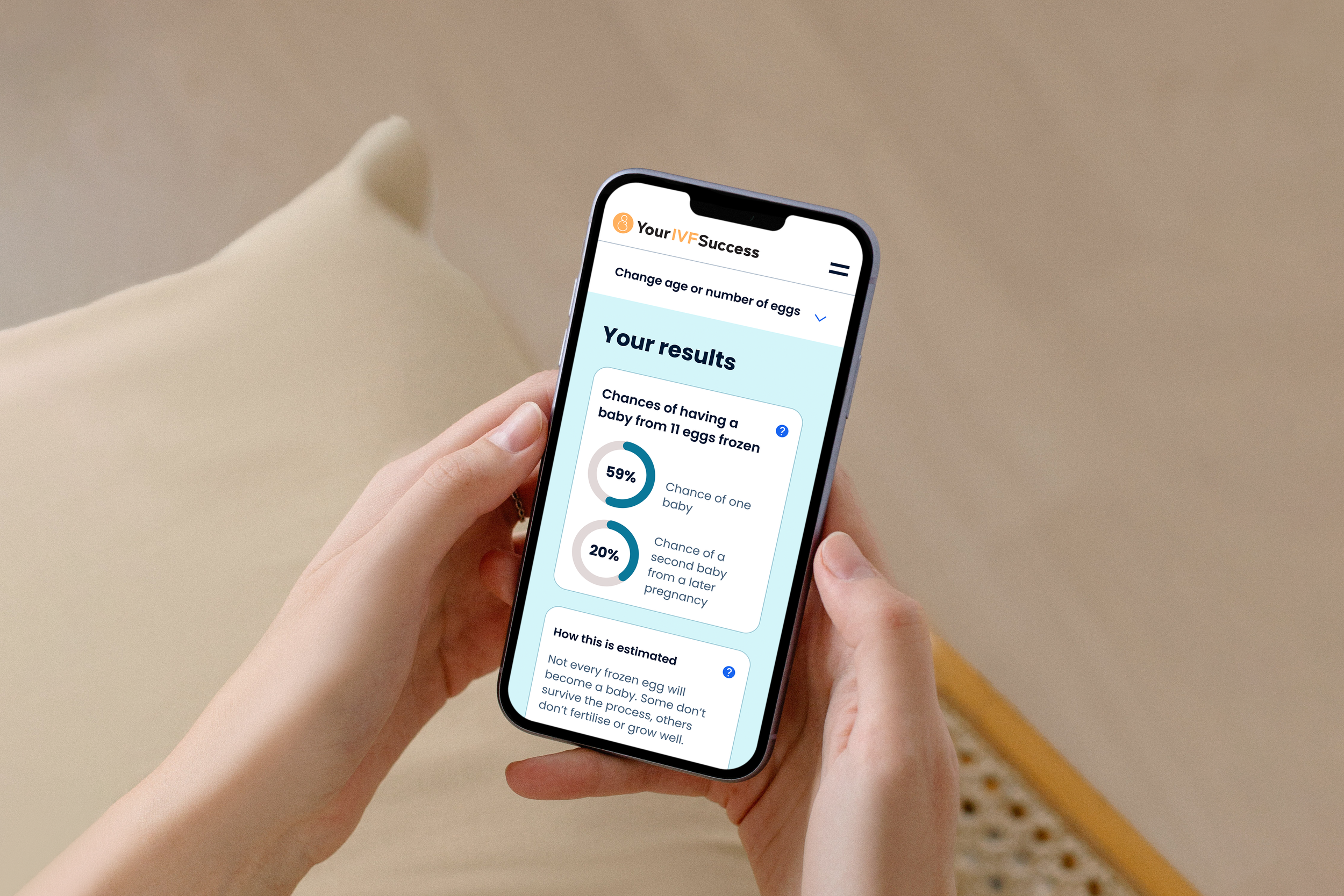
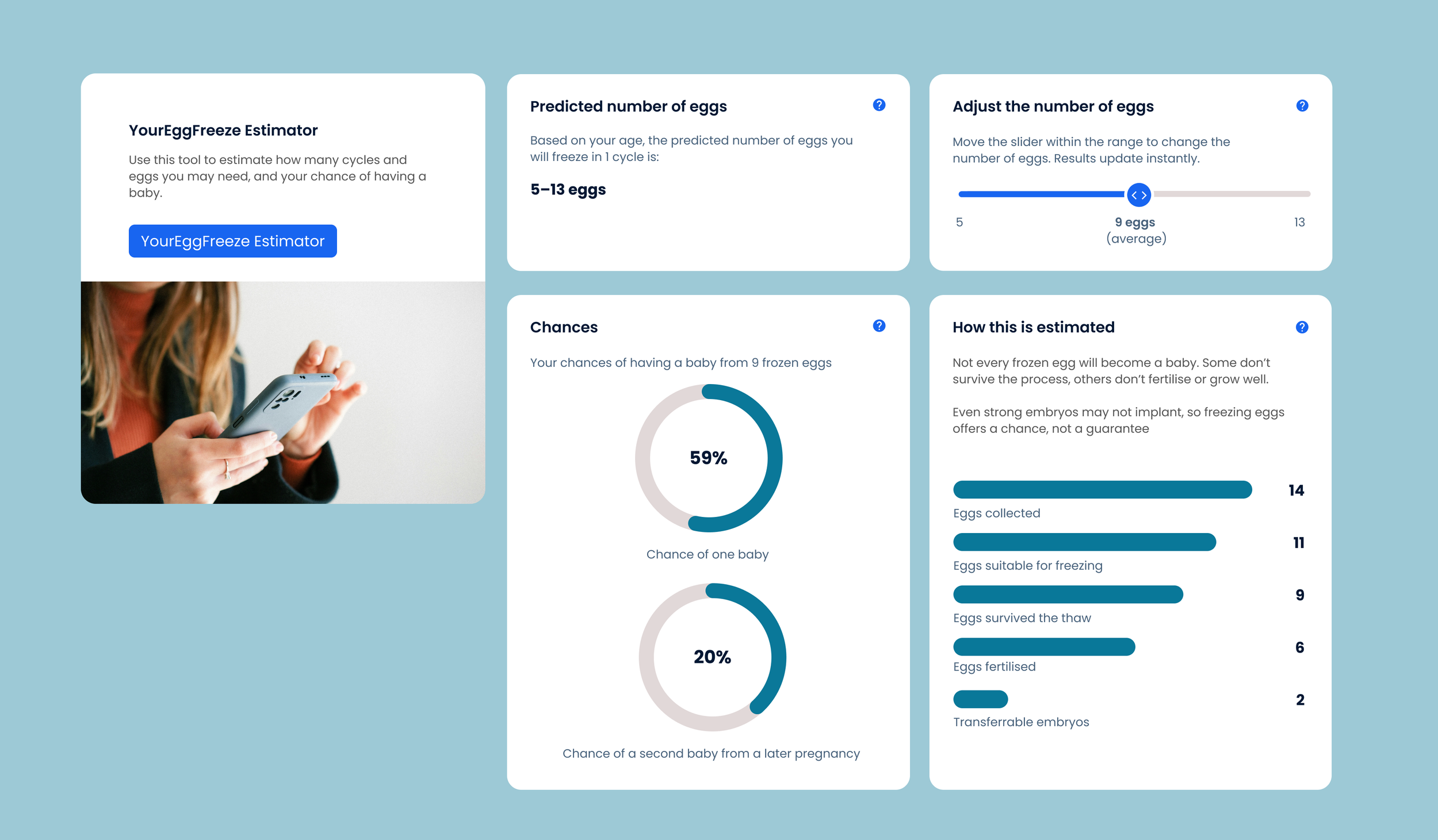
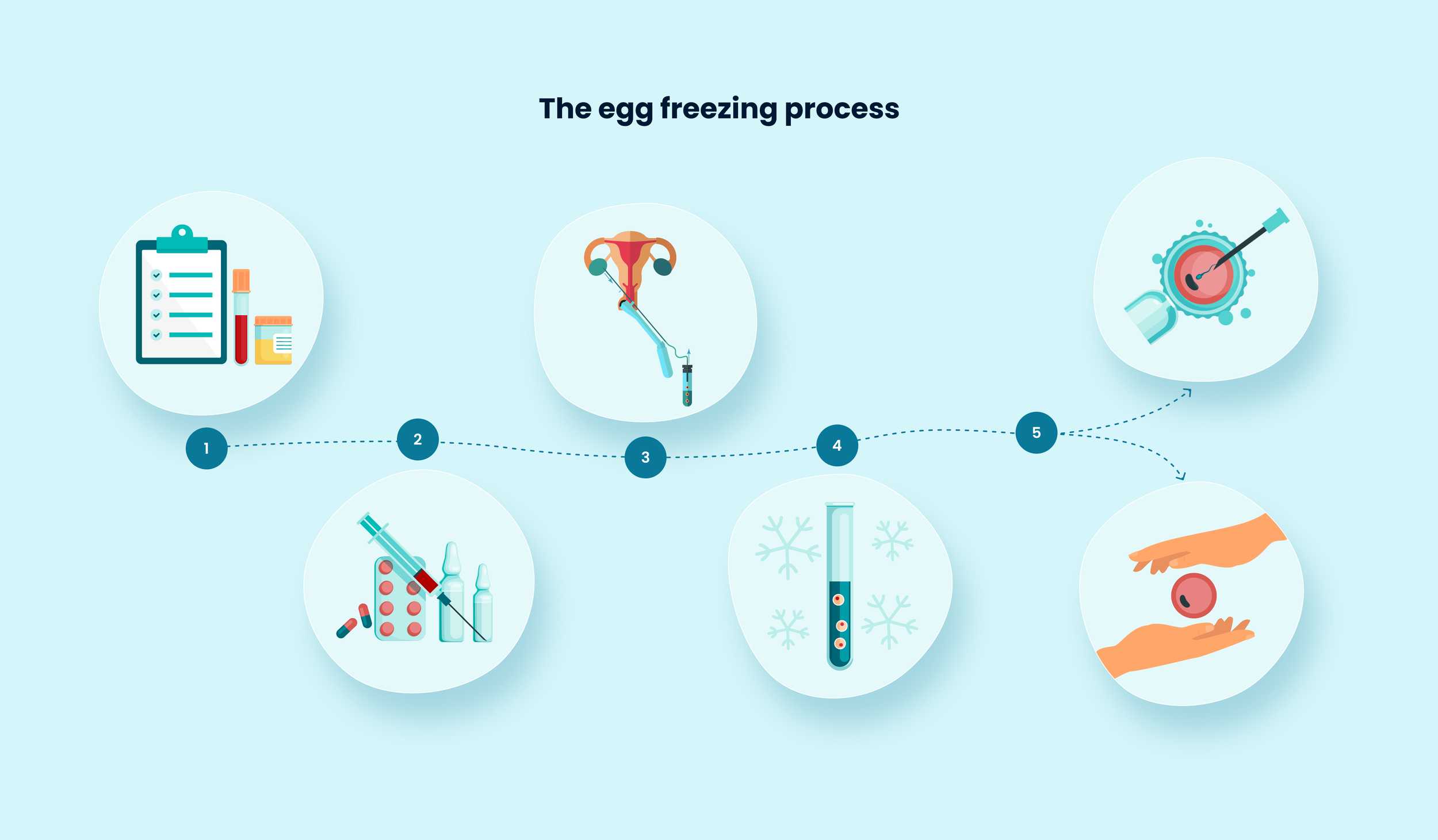
Egg freezing is complex, emotional and full of misconceptions. Many people don’t know where to start, what to expect or how to interpret data. Our challenge was to design an estimator tool along with supporting content that gives women clarity without giving false hope, meets accessibility standards, and that can sit seamlessly within UNSW’s broader reproductive health work.
What we did
We began discovery by reviewing existing research, understanding how people currently search for egg-freezing information, and interviewing key stakeholders. From there we:
Assessed current information websites and calculator tools.
Wrote user stories to guide the design direction and define what the estimator needed to do.
Conducted a co-design workshop with the UNSW team to establish the tool’s purpose, boundaries and success criteria.
Created an empathy map to capture the needs and behaviours of the target audience group.
Developed a site map to structure the experience and content.
Crafted a visual identity for the service to sit alongside, but be differentiated from the existing YourIVFSuccess service.
Created two alternative versions of the egg-freeze estimator and built working prototypes using Claude AI.
Conducted qualitative research interviews with women considering egg freezing, to observe how each version worked in practice and to identify friction and moments of clarity and to learn how women understand the data.
Used insights to refine the design, the interaction patterns and the micro-copy.
Designed the supporting content page, including heading hierarchy for accessibility and SEO.
Created accessible charts and infographics to help users understand complex information.
Delivered design files including specification and accessibility notes for the dev team.
Delivered a Figma design system to give the team autonomy to continue to build out the digital service.

Key research insight
Women need more than a calculator tool, they need context to help them understand the data. Research participants wanted clear, trustworthy explanations of the process, costs, limitations and what the data actually means for them. The tool needed to sit alongside strong supporting content to avoid misinterpretation and to counter common misconceptions.
The result
UNSW has a clear, user-tested design for an egg-freezing estimator supported by accessible content, visual identity and data-led infographics. The work gives them a solid foundation to build a trusted, evidence-based resource that helps women make informed decisions about their reproductive choices.
Visit the website: Egg freezing in Australia
Try the estimator: YourEggFreeze estimator
Read the full story: New tool helps women better understand IVF elective egg freezing
“I can’t tell you how pleased we have been working with you and your team during this Elective egg freezing development – your skills and professionalism are fantastic!”